
The evolution of gambling a historical perspective on risk and reward
The Origins of Gambling
The history of gambling dates back thousands of years, with evidence found in ancient civilizations such as Mesopotamia and China. Artifacts, such as dice made from bones, suggest that games of chance have been a part of human culture since as early as 3000 BC. These early forms of gambling were often tied to religious practices and community gatherings, where they served not only as entertainment but also as a means of decision-making and fortune-telling. Today, you might find that the best online casino real money options echo the excitement of these ancient traditions.
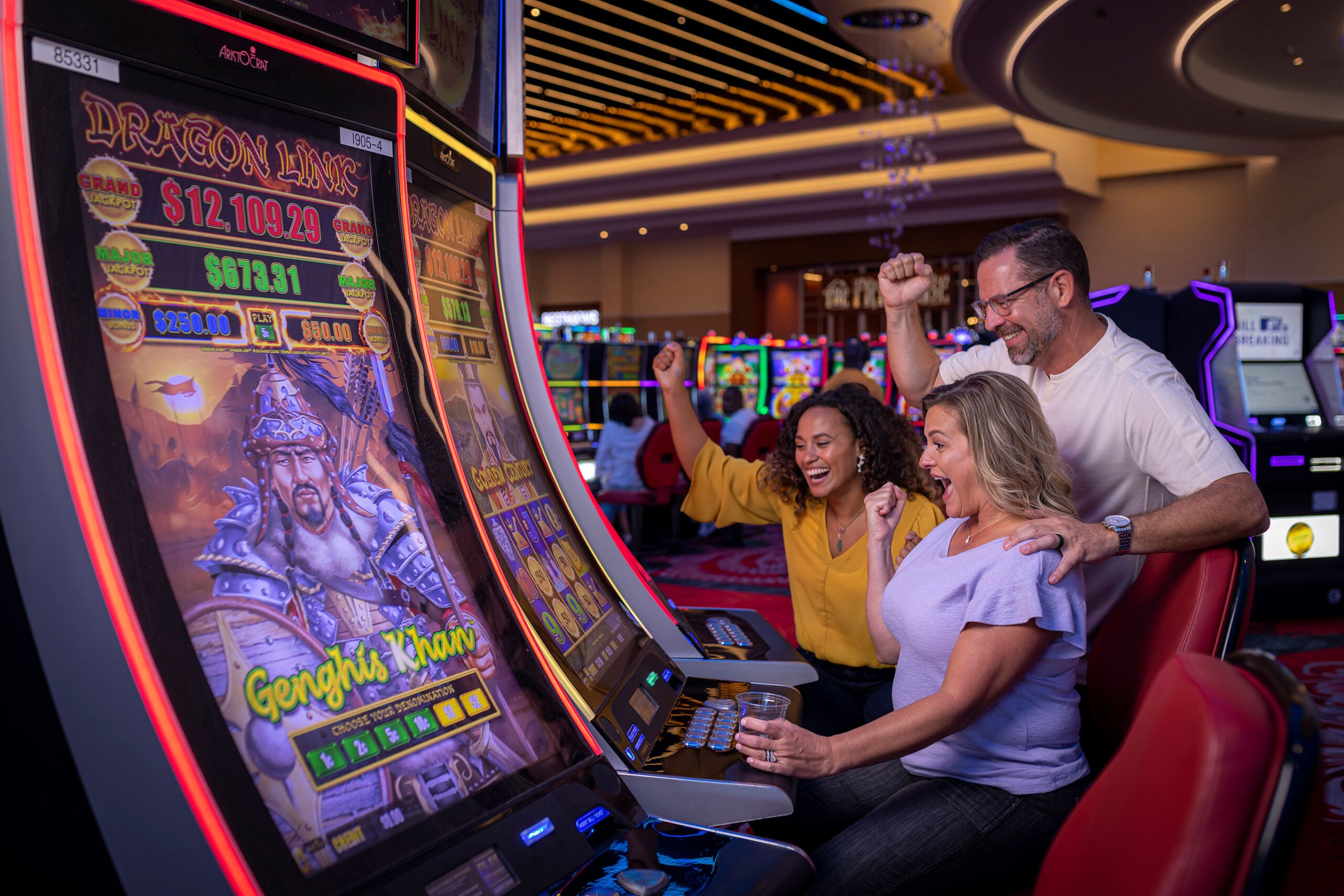
As societies evolved, so did the methods of gambling. The introduction of cards in the 9th century, believed to have originated in China, marked a significant shift in the gambling landscape. Cards allowed for more strategic gameplay, further embedding gambling in various cultures and leading to the establishment of early gambling houses.
The Rise of Formal Gambling Institutions
The 17th and 18th centuries witnessed the establishment of official gambling establishments, particularly in Europe. The first official casino, the Casino di Venezia, opened its doors in Italy in 1638, paving the way for the modern gambling industry. This era saw the blending of gambling with high society, as the wealthy frequented these establishments, contributing to their popularity and growth.
This period also saw the emergence of betting on sports, which provided a new avenue for gamblers to engage with their passions. Horse racing became a prominent focus, and betting on the outcomes of races became an increasingly sophisticated operation, resulting in widespread cultural acceptance of gambling.
The Impact of Legislation and Regulation
As gambling gained popularity, governments around the world began to regulate it to ensure fair play and to generate revenue. The introduction of regulations in the 19th century in places like the United Kingdom set the stage for a more organized gambling environment. Licensing and oversight became important aspects of ensuring that casinos and betting houses operated within the law, thus increasing public trust.
As legislation evolved, it reflected societal attitudes towards gambling. In some regions, gambling was embraced as a legitimate form of entertainment, while in others it faced heavy restrictions or outright bans. The legal framework surrounding gambling has continued to adapt, particularly with the advent of online gambling, leading to ongoing debates about its implications on society.
The Digital Revolution and Online Gambling
The late 20th and early 21st centuries marked a transformative period in the gambling industry with the rise of the internet. Online casinos and betting sites emerged, offering unprecedented access to gambling from the comfort of one’s home. This shift made gambling more accessible but also raised concerns about problem gambling and the regulation of online platforms.
The digital landscape has facilitated innovative gaming experiences, such as live dealer games and virtual reality casinos, which continue to attract a global audience. However, with increased accessibility comes the responsibility of ensuring that players are protected from potential harm, leading to discussions about consumer safety and ethical gambling practices.

Maintaining Security in Online Gambling
As online gambling has evolved, so too has the importance of security measures to protect users. Websites dedicated to gambling must implement robust security solutions to prevent unauthorized access and to safeguard players’ personal information. By doing so, they maintain a safe environment for all visitors, ensuring that gambling remains a form of entertainment rather than a source of risk.
Moreover, providing transparent guidance on responsible gambling practices is essential for fostering a healthy gaming culture. Whether through age verification, self-exclusion options, or educational resources, a commitment to user safety strengthens the relationship between gambling operators and their players, ensuring that the thrill of risk and reward is enjoyed responsibly.
No comments yet.